Steps to Improve Our World

Part 1: How do you change the world?
It's almost too common to hear people say they want to "make a positive impact" or "change the world" these days. But what exactly can one do to achieve that?
Since OpenAI's ChatGPT is a good representation of the wisdom of the crowd, I asked it to answer this question with multiple answers.
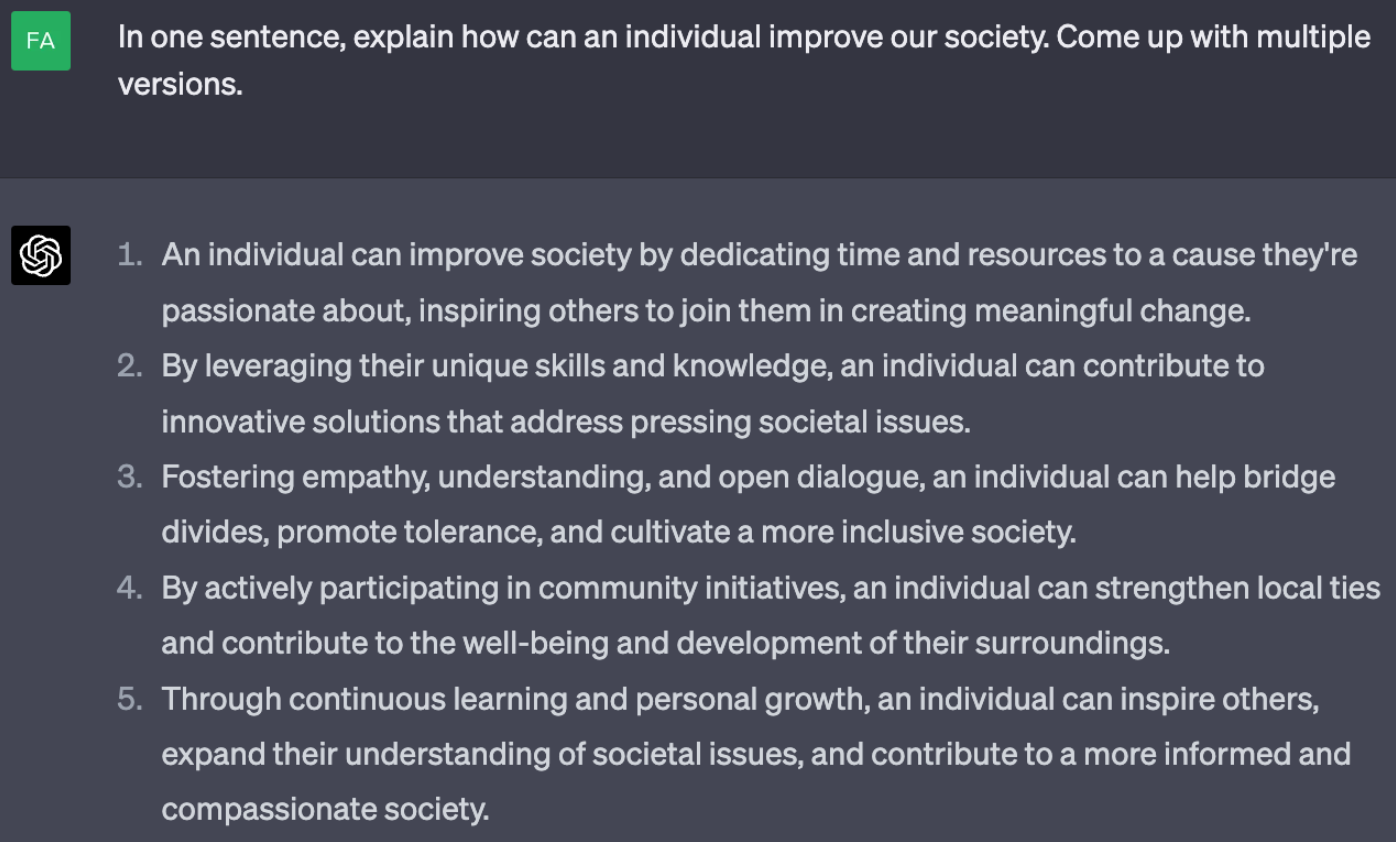
Without any surprises, it generated a list of conventional answers that seemed correct, but vague. You would still be very confused and don't know what exactly one can do to improve our society.
Why did this happen? It's because of the question we raised at the beginning — what can one do to change the world? — is itself a correct, but vague goal for anyone to have. And most people do have extremely vague long-term goals that are not actionable. At school, the goals were always artificially predetermined by teachers and professors so we never had to worry about not knowing what to do. That's the central cause of why young people have the problem of not knowing what to do upon graduation.
To know how to change the world, one should know how to create less-vague goals. We do that by asking more concrete questions. Now let's revise our original question: what can one do to efficiently change the world at scale?
Part 2: How do you efficiently change the world at scale?
I only added two extra terms here: "efficiently" and "at scale". Efficiency matters because it allows you to produce more output with fewer inputs, while scale allows you to replicate this efficient process.
Has anyone ever done this before? Yes. Tons of individuals. Just to name a few:
[Infrastructure] In the 1850s, British engineer Henry Bessemer invented a faster, cheaper method to produce high-quality steel by blowing air through the molten iron to remove impurities [1]. This efficient process increased steel output with less time and labor, enabling the construction of advanced infrastructure, transportation, and machinery worldwide, ultimately transforming the world at scale through his steel-making innovation.
[Air Travel] In the 1930s, British engineer Frank Whittle developed the jet engine, an innovative propulsion system that drastically improved the speed and efficiency of aircraft [2]. This efficient invention increased air travel capabilities with fewer resources and infrastructure, enabling the growth of faster transportation, global connectivity, and modern aviation, transforming the world at scale through his jet engine technology.
[Digital Communication] In 1989, British computer scientist Tim Berners-Lee invented the World Wide Web, revolutionizing how information was accessed, shared, and communicated [3]. This efficient innovation increased global connectivity and data exchange with less communication infrastructure and resources. It enabled the growth of the internet and various industries, transforming the world at scale through his groundbreaking invention.
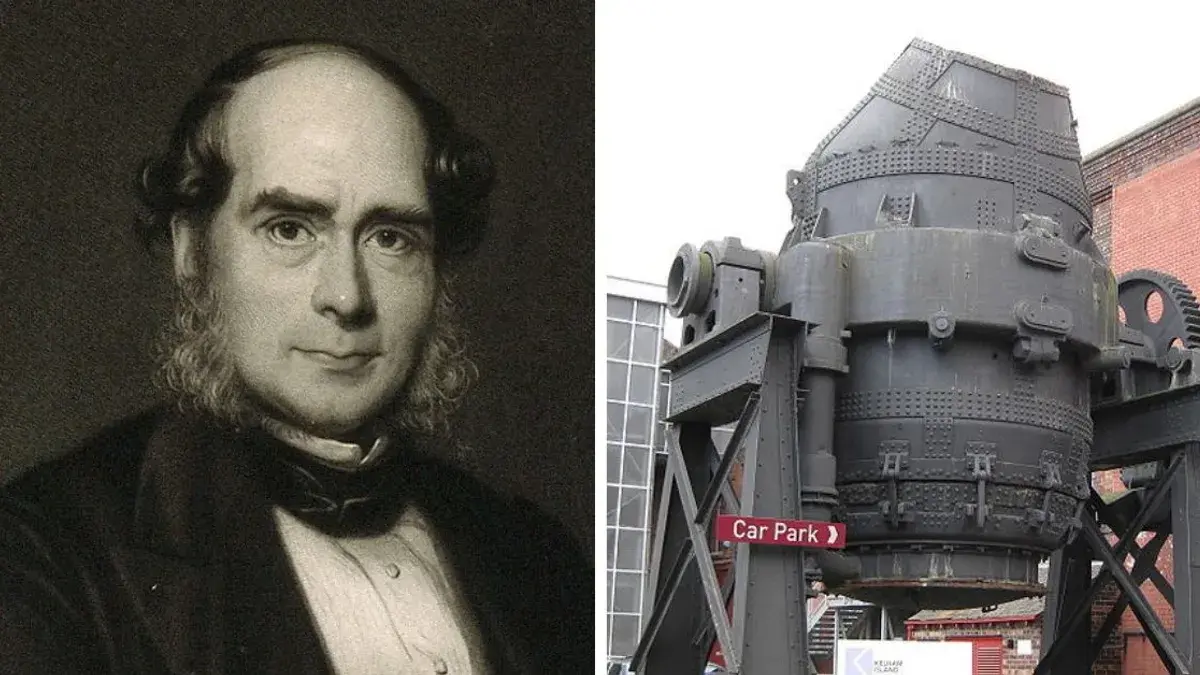
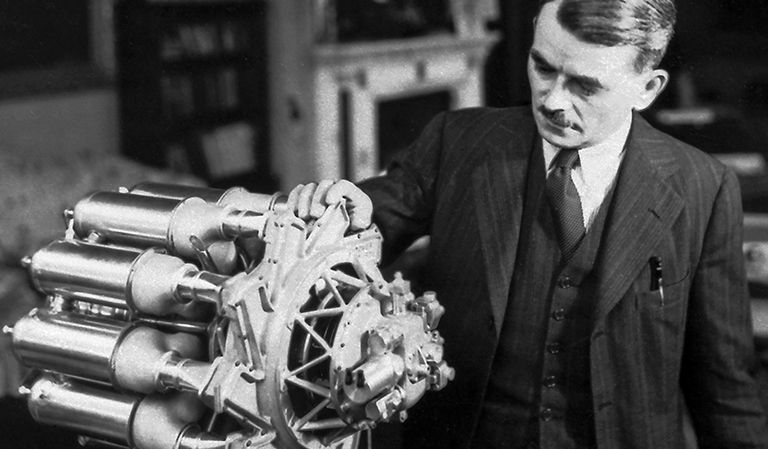
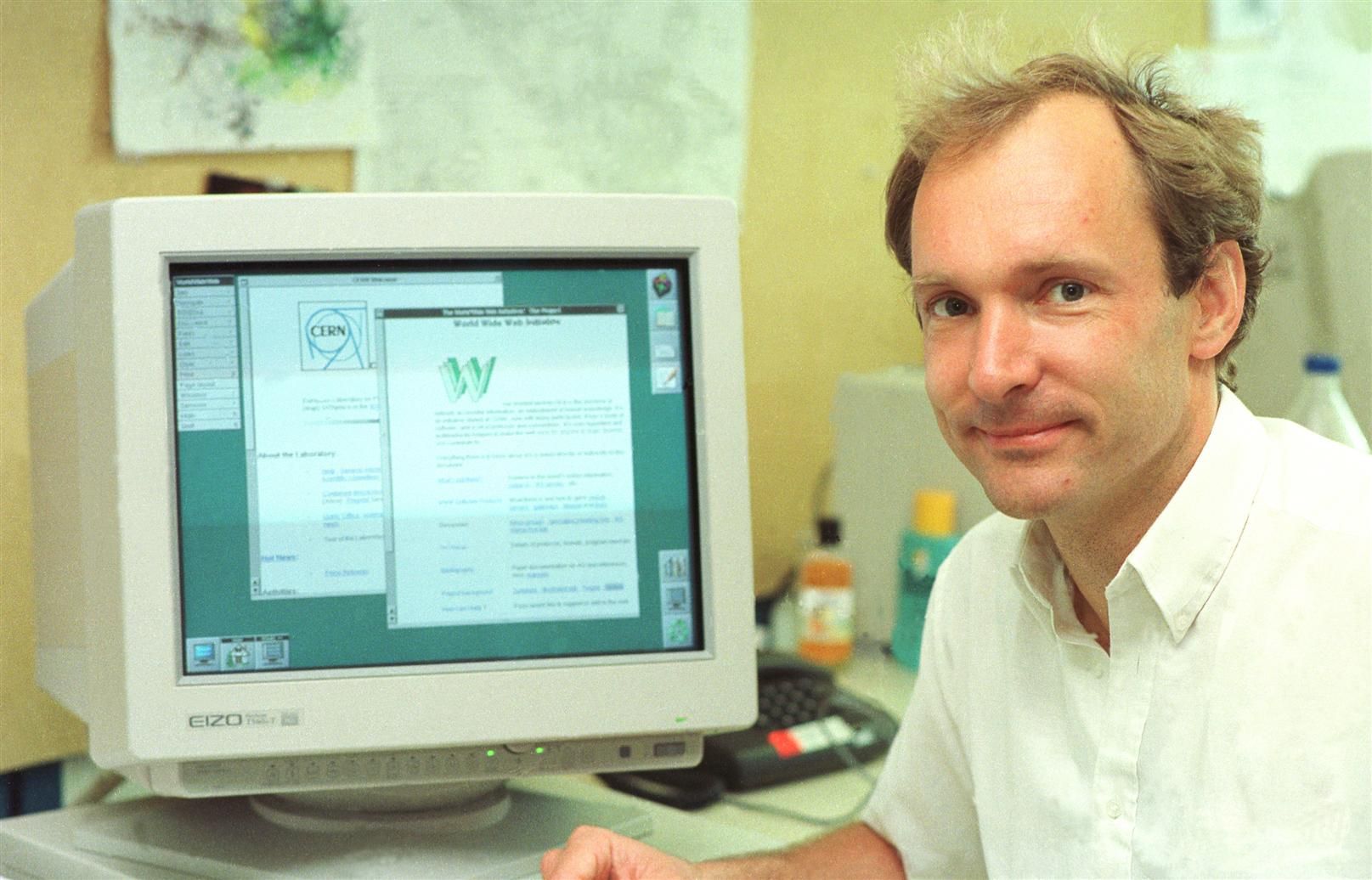
By far, all these examples demonstrated how individuals were able to efficiently change the world at scale by inventing new and useful technologies through innovations.
So now we can ask a more concrete question: how can one invent technologies that efficiently change the world at scale?
Part 3: How can you invent technologies that efficiently change the world at scale?
A common misconception to debunk here is that novel technologies are invented out of nowhere by lone geniuses. They're not. Instead, innovation in technology comes from new combinations of what already exists to satisfy specific needs.
Henry Bessemer recognized the high demand for steel and the inefficiency of existing production methods. He combined his metallurgy knowledge with the idea of blowing air through molten iron, creating the Bessemer process, which efficiently produced high-quality steel to meet the needs of railway construction and other industries [1].
Frank Whittle understood the limitations of the piston-and-propeller principle in aircraft propulsion and the need for a lighter, more efficient power unit [2]. He combined existing knowledge of gas turbines and thermodynamics to develop the jet engine, which compensated for thin air at high altitudes and eliminated the need for a propeller, revolutionizing air transportation.
Tim Berners-Lee identified the need for a more effective way to access, share, and communicate information. He combined existing networking technologies and hypertext concepts to create the World Wide Web, satisfying the need for a globally interconnected information-sharing platform [3].
Each innovator utilized available technologies, observed specific human needs, and created fresh combinations to develop solutions that efficiently changed the world at scale.
In sum, to know how to efficiently change the world at scale, you first need to know how to innovate; and to know how to innovate is the same thing as knowing how to combine existing things (i.e. technologies, engineering practices) in new ways to better satisfy a specific human need; to do that, you first need to (1) know what existing things are readily available out there and (2) observe a specific human need that can be better served.
Part 4: A Three-Step Process for Changing the World
Now we can get a very clear three-step process for inventing technologies that efficiently change the world at scale:
Build a comprehensive library of existing technologies and knowledge.
Identify a specific, underserved need.
Combine the knowledge from step one to address the need from step two in a new way.
The first step is achievable as long as you put in the time and effort to read many books in related fields, talk to a lot of smart people in these fields, and mess around with interesting experiments/projects. By extracting insights from these readings, conversations, and projects, you'll gain a solid understanding of the existing technologies available. At least, that's how Elon Musk claims he learned the best way to acquire knowledge quickly, enabling him to build SpaceX [4].
The second step, identifying underserved needs, requires challenging the default. The "default" to be challenged here is the way things have always been done that society takes for granted. This counterintuitive approach demands that you question, rather than accept, the reality in which you live. People tend to take the world as it is, without exploring possibilities for improvement or considering the potential to challenge the default settings. So how do we challenge them?
You almost can't go wrong with the notion of making it cheaper, quicker, or easier for people to get something done. An innovator's job is to find out what that "something" is and how it can be better done. A handful of people dared to challenge the default and took action:
Before 1994, everyone assumed that books could only be purchased in physical stores, until Jeff Bezos recognized an opportunity to create an online bookstore and launched Amazon [5]. Before 2007, people just accepted that waiting for hours to get a cab was the norm, until Travis Kalanick and Garrett Camp decided to build their own ride-sharing app called Uber [6]. Before 2008, travelers typically relied on hotels and hostels for accommodations, until Brian Chesky, Joe Gebbia, and Nathan Blecharczyk reimagined the concept and founded Airbnb [7]. And before 2009, the default assumption was that communicating with friends and family across the globe was expensive and limited to phone calls, until Jan Koum and Brian Acton set out to change that by developing an affordable and accessible messaging platform called WhatsApp [8].
The third step, however, is the most challenging: combining existing technologies (from step 1) in a new way that fulfills the underserved need (from step 2). What makes it challenging is that the process of invention is ambiguous and uncertain, despite it being the core of innovation. As W. Brian Arthur explains in his book The Nature of Technology, the key is "mental association," where the innovator imagines the outcome of combining certain technologies. After accumulating various technologies and experimenting with different combinations, a breakthrough innovation might emerge.
Part 5: Conclusion
In theory, to change the world efficiently and at scale, one must master the art of innovation. And that happens when individuals come together to innovatively combine existing technologies to build a product that allows individuals to use fewer resources (time, money, space, labor, etc.) to fulfill underserved needs.
In action, you can change the world by reading, talking, experimenting, reflecting, and challenging the default. The process can be hard and tedious, but doing it with people you like and admire makes it more bearable.
Thanks to Raymond Yip, Kelvin Mo, José Gonçalves, Jan-Michael Marshall, Michael Peng, and Rich Chuang for reading drafts of this.
Reference:
[1] Ramirez, Ainissa. The Alchemy of Us: How Humans and Matter Transformed One Another. CITIC Press Corporation, Beijing. 2021.
[2] Arthur, W. Brian. The Nature of Technology: What It Is and How It Evolves. Penguin Books, London. 2010.
[3] Berners-Lee, Tim. Information Management: A Proposal. CERN, 1989.
[4] PandoMonthly: Fireside Chat With Elon Musk.
[5] Makinson, Rachel. Jeff Bezos: The Inspirational Success Story Of Amazon’s Founder. CEO Today, 2022.
[6] Blystone, Dan. The History of Uber. Investopedia, 2023.
[7] Aydin, Rebecca. How 3 guys turned renting air mattresses in their apartment into a $31 billion company, Airbnb. Business Insider, 2019.
[8] Rowan, David. WhatsApp: The inside story. Wired UK, 2014.