Capturing the Sunshine Power ☀️: Solar Windows

Solar energy is the most abundant energy resource on earth — 173,000 terawatts of solar energy strikes the Earth continuously, which is more than 10,000 times the world's total energy use [1].
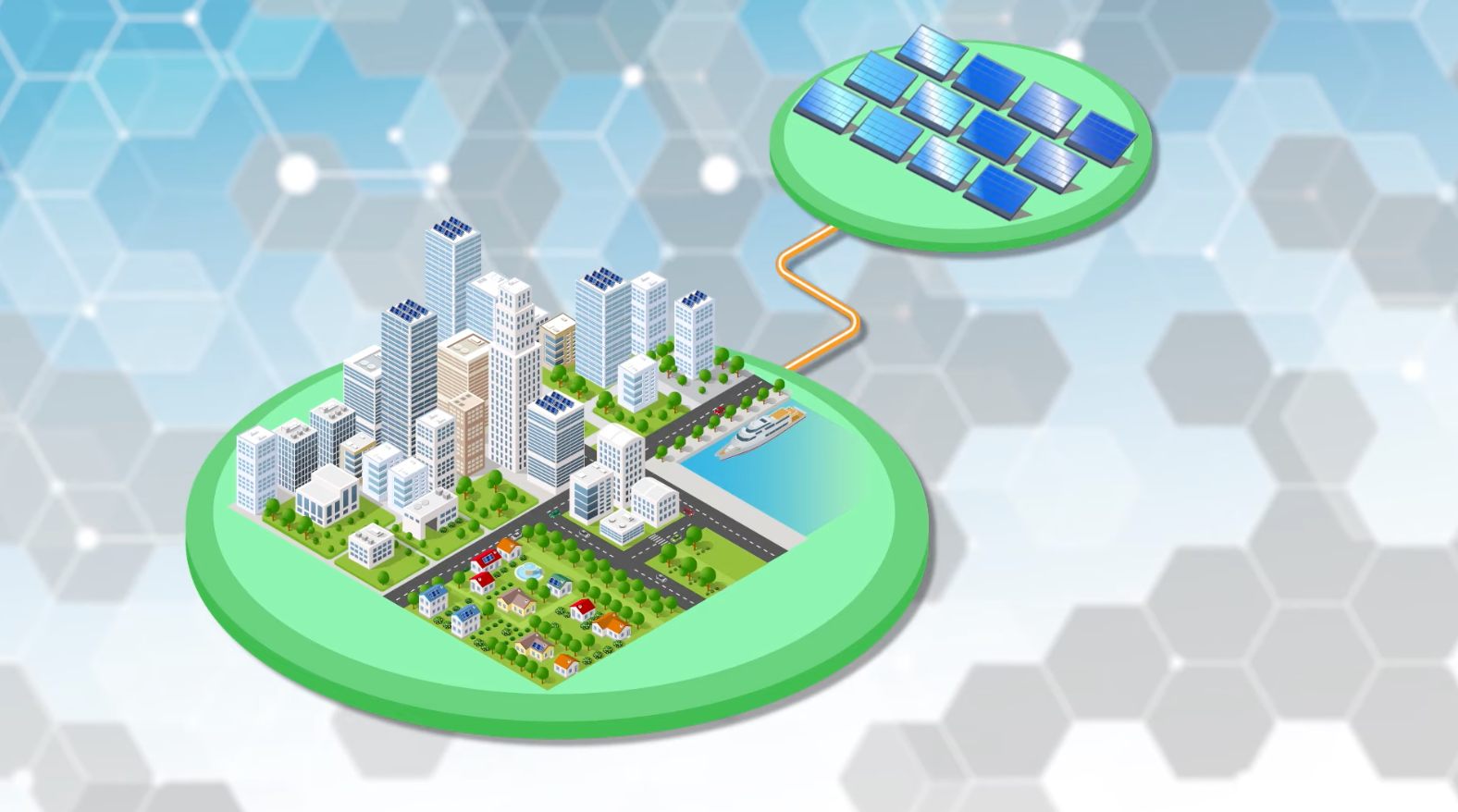
Currently, humans are wasting most of the sun's solar energy being hit in urban areas because urban buildings are only capturing solar energy through solar panels equipped on the rooftops (check below image). But what about other much larger surface areas of buildings?
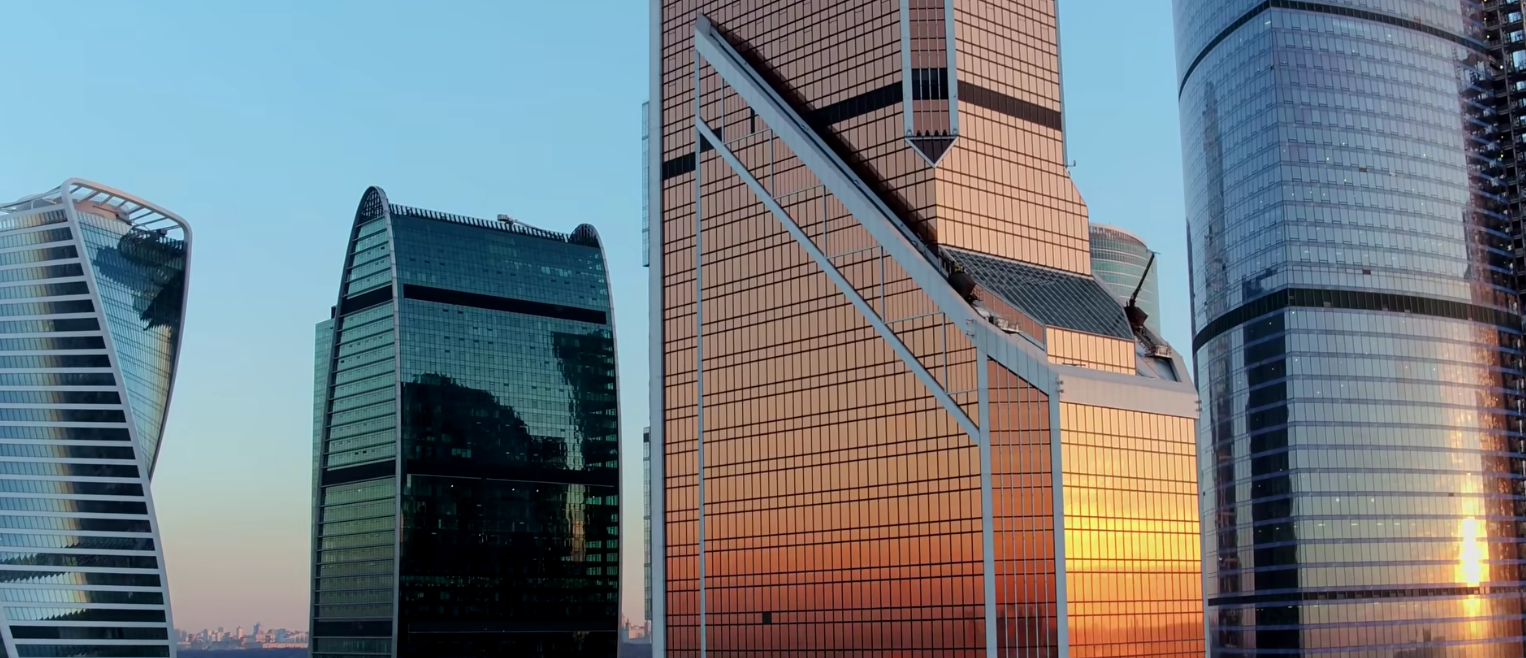
Solar windows might be the ultimate solution! It enables us to capture the solar energy being hit on the large surface area of the main body of buildings.
But what are these solar windows? How do they work exactly? Why are they so important? Do they have any limitations? Are there better alternatives out there? Let's explore the concept of solar windows together!
What are solar windows?
They are windows with built-in solar panels.
More specifically, these windows are fitted with photovoltaic glazing that contains solar cells to capture solar energy, which can then be converted into electricity that power the electrical appliances at home and office buildings [2].
What does the word "photovoltaic" (PV) mean? How does it work?
Photovoltaics is the direct conversion of light into electricity at the atomic level.
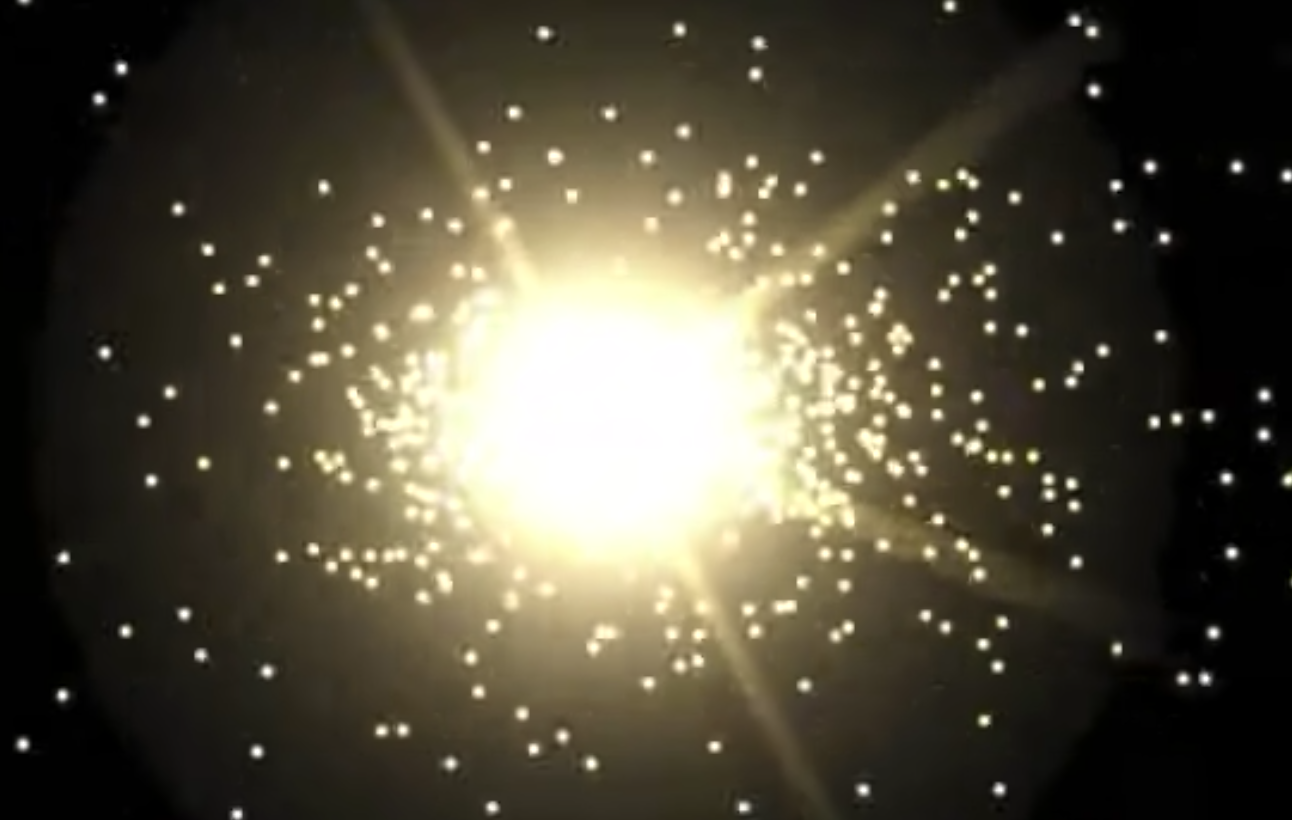
Step 1 (Above Image 1): The sun consistently emits sunlight, which is made up of tiny packets of energy called photons.
Step 2 (Above Image 2): Photons radiate out from the sun and travel to the earth.
Step 3 (Above Image 3): After 147.85 million km of traveling at the speed of light, these photons collide with a semiconductor on a solar panel.
Step 4 (Above Image 4): Some materials exhibit a property known as the photoelectric effect that causes them to absorb photons when being struck by light energy and release electrons (or knock electrons loosely out from atoms) in the semiconductor material. When these free electrons are captured in electrical conductors that are attached to the positive and negative sides, an electric current has been created that can be used as electricity. [3]
Bonus: What is an electric current?
It is just a flow of charge, usually carried by electrons.
The unit of electric charge is ampere (A). A current of 1A passing along a wire is due to 6.25 million million million electrons passing along the wire every second. Each electron carries the same amount of negative charge.
What types of PV modules can be applied to windows?
Let's take a look at the six PV module types that are popular right now.
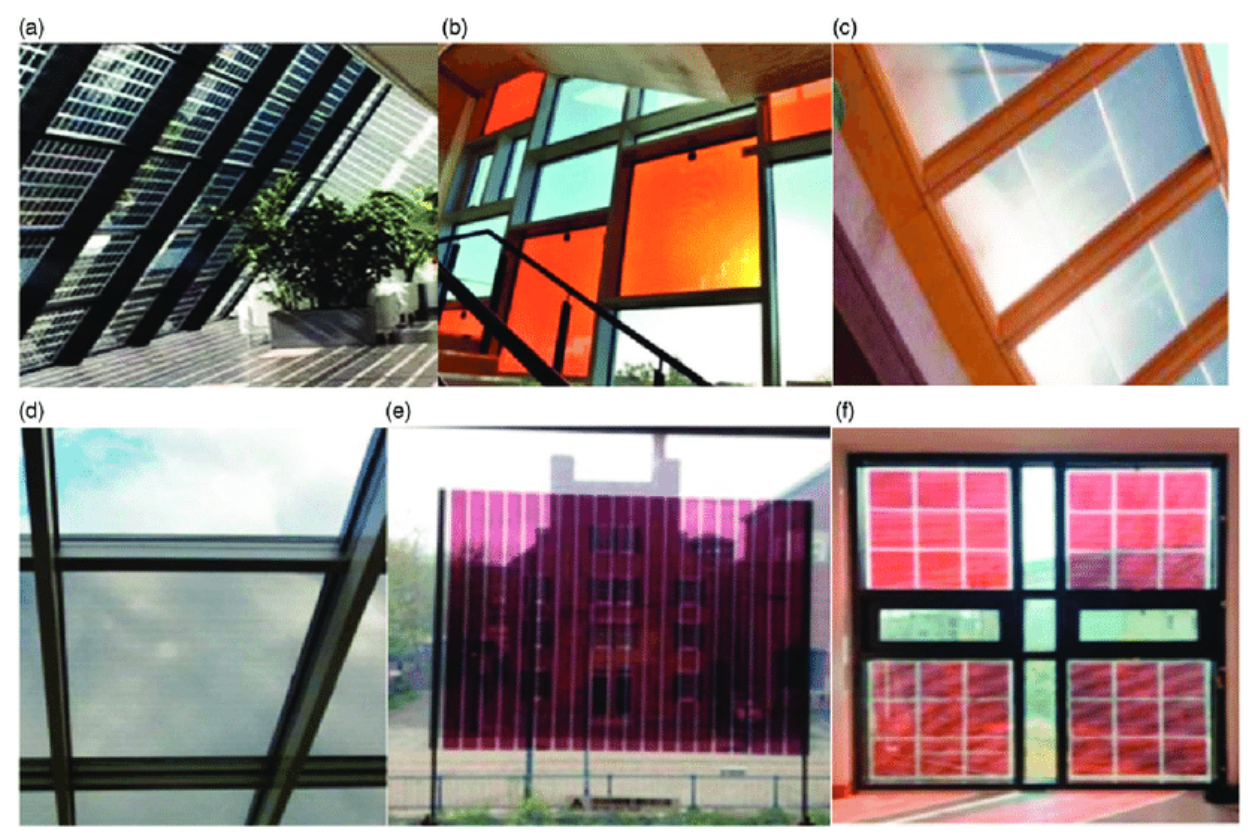
I know what you're thinking. They all look so ugly...
I can't agree more. As much as I love using clean energy, I don't want my bedroom window to be like any of the images shown above. I guess I'm just not that artistic after all...
But luckily for us, there is a team of engineering researchers from Michigan State University (MSU) that recently invented FULLY TRANSPARENT solar windows! As transparent as this one:

What did this team achieve?
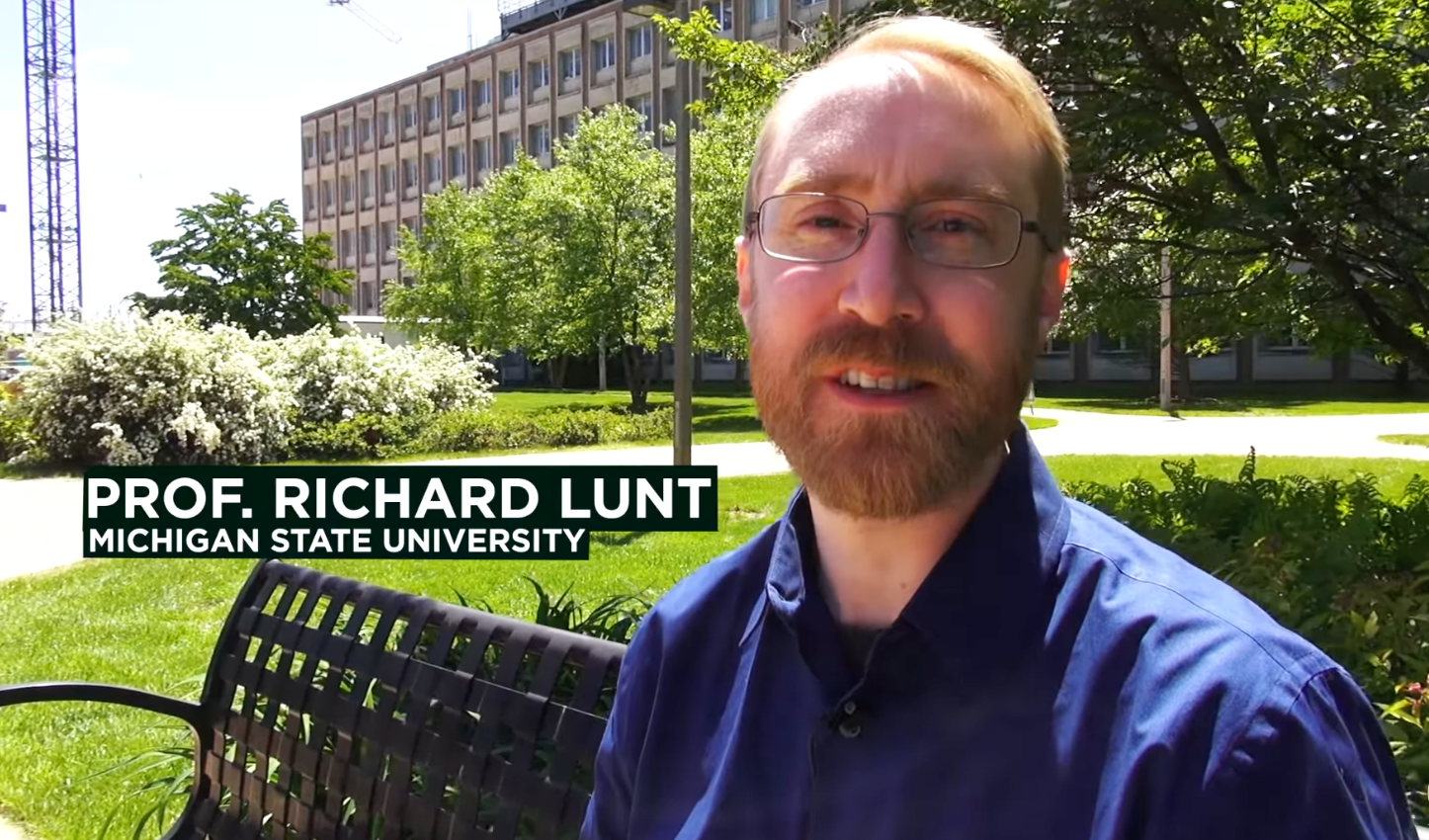
This team, led by Richard Lunt, the Johansen Crosby Endowed Associate Professor of Chemical Engineering and Materials Science at MSU, pioneered the development of a transparent luminescent solar concentrator (TLSC) that when placed on a window creates solar energy without disrupting the view. The thin, plastic-like material can be used on buildings, car windows, cell phones or other devices with a clear surface. [5]
How does the TLSC technology work exactly?
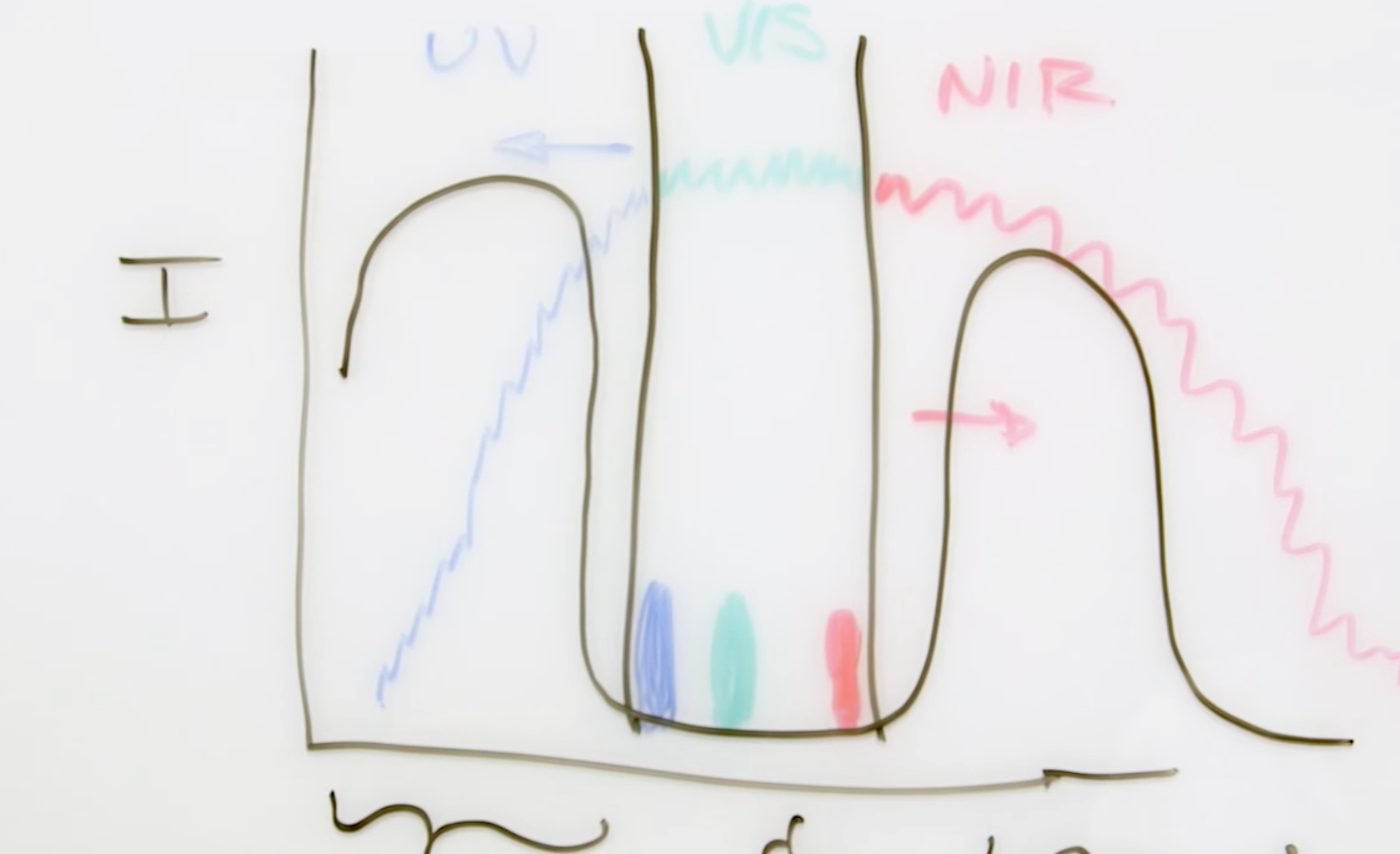
Their solar harvesting system uses small organic molecules developed by Lunt and his team to absorb specific nonvisible wavelengths of sunlight. And according to Lunt, since the materials do not absorb or emit light in the visible spectrum, they look exceptionally transparent to the human eye. [6]
What are the nonvisible and visible wavelengths?
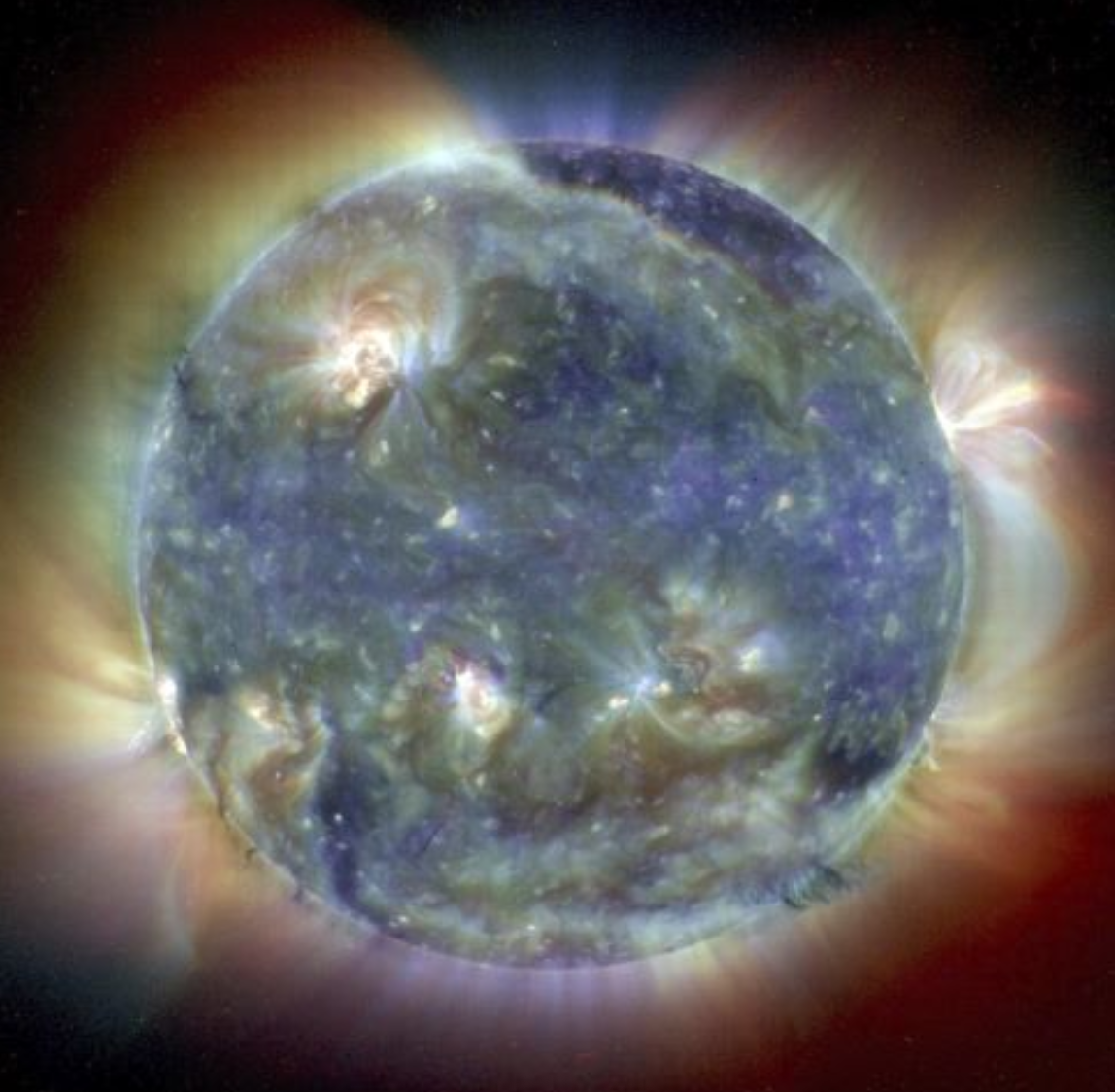
To understand nonvisible and visible wavelengths, we first have to know a basic fact: that our sun is constantly emitting light in virtually every part of the electromagnetic spectrum, albeit some more than others. [7]
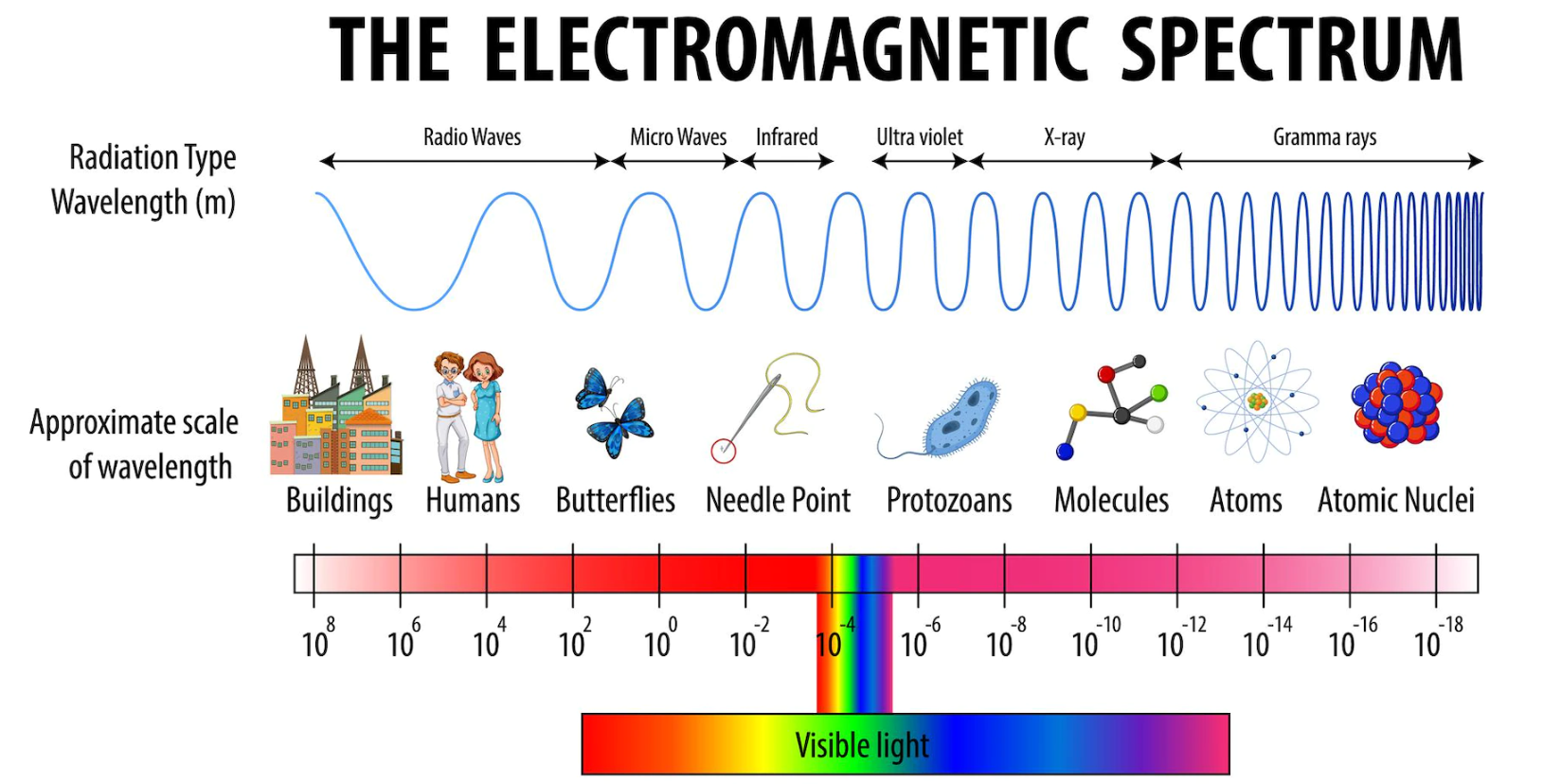
Let's do a quick overview of the electromagnetic spectrum! As shown in the below image, there are seven types of light (or seven forms of electromagnetic radiation). Our human eyes can only see the light in the visible light spectrum.
What is unique about Professor Lunt's team's TLSC is that it is able to ONLY absorb ultraviolet and infrared rays, which are then turned into electricity, leaving visible light to our human eyes.
What are some advantages of these solar windows?
They help us [8]:
decrease indoor temperature during the summer season (but this will increase the heating cost for regions in colder climates)
decrease power uses and hence decrease utility bills
control ultraviolet radiation, protecting from fading of interior furniture
pay a lower price for fixing compared to regular solar panels
reduce carbon footprint
What are the current limitations of fully transparent TLSC solar windows?
Low efficiency: At the moment, the MSU transparent LSC panel efficiency is less than 1%, which is 6% lower than the best colored LSC. [6] But we can compensate for this limitation by installing these transparent solar panels on larger surface areas of buildings, which they are initially designed for.
Short lifespan: Organic solar cells used by Lunt's team's TLSC degrade more rapidly than inorganic solar cells. Thin film PV panels last 10 - 20 years, while crystalline silicon PV panels last longer than 25 years. [9]
To summarize...
While the idea of turning urban cities' skyscrapers into vertical solar farms by installing fully transparent electricity-generating windows is a very promising idea, these TLSC windows are not currently economical enough for real estate developers to even take them into consideration due to the windows' current limits, namely their extremely low efficiency and short lifespan.
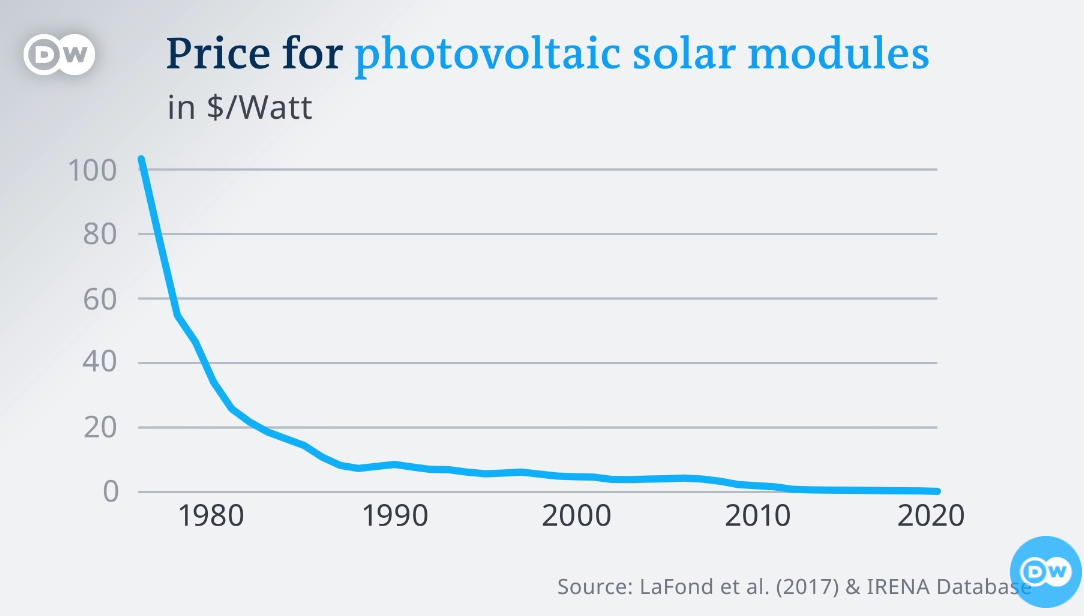
But much like the history of PV solar panels development shown in the below graph, humans are always capable of bringing down the cost of their inventions, gradually. I think the TLSC technology will be a necessary component of our near-future green society once it reaches a higher efficiency as well as a longer lifespan.
Thanks to Raymond Yip, Aloe Wu, Ivy Wu, and Mike Kong for reading drafts of this.
Sources
https://www.energy.gov/articles/top-6-things-you-didnt-know-about-solar-energy
https://science.nasa.gov/science-news/science-at-nasa/2002/solarcells
Photovoltaic double-skin façade: A combination of active and passive utilizations of solar energy
https://msutoday.msu.edu/news/2017/transparent-solar-technology-represents-wave-of-the-future
https://msutoday.msu.edu/news/2014/solar-energy-that-doesnt-block-the-view
https://www.youtube.com/watch?v=uqyCjrQyT4U&t=284s&ab_channel=UndecidedwithMattFerrell